
Starting a Quality Assurance (QA) career does not require deep programming skills. With practical training, you can land entry-level roles earning $2,000 to $5,000 USD per month, especially if you work remotely for international companies. This guide shows you exactly how to break into QA, what skills matter, and why demand for QA professionals is soaring globally.
If you are considering a tech career but feel blocked by the idea of learning to code, QA offers an accessible entry point. The role focuses on ensuring software works correctly, which involves critical thinking, attention to detail, and methodical testing—skills you can develop without a computer science degree. In Latin America, over 2,000 students have already used QAPOT’s practical, employment-focused training to enter this field. Their success proves that a non-coding path into tech is not only possible but also profitable.
How to Start a QA Career with No Programming Experience
The fastest route into QA begins with understanding what the job actually entails. QA professionals design and execute tests to find bugs, verify features, and ensure software meets quality standards. You do not need to write code for manual testing roles, which are the typical starting point for beginners. Instead, you need to learn how to think like a tester, document defects clearly, and use basic tools like Jira or Trello for bug tracking.

One of the most efficient ways to start is to take a structured course that mirrors real industry practices. QAPOT, for example, offers programs that teach QA from zero to professional level, covering everything from test design to execution. Their curriculum includes mentorship and resources to help you prepare for certifications like ISTQB, which is a globally recognized entry-level credential that many employers value.
After completing a foundational course, you should practice on real applications. Create a portfolio of bug reports and test cases for websites or apps you use daily. This hands-on evidence is what employers look for when hiring juniors. You can also contribute to open-source projects or use testing platforms that let you practice on demo sites.
The Role of Manual Testing in a QA Career
Manual testing is the process of executing test cases by hand, without automation scripts. It is where most QA professionals start because it teaches you application behavior, user perspectives, and defect identification. As you gain experience, you can transition toward automation, but manual skills remain valuable throughout your career.
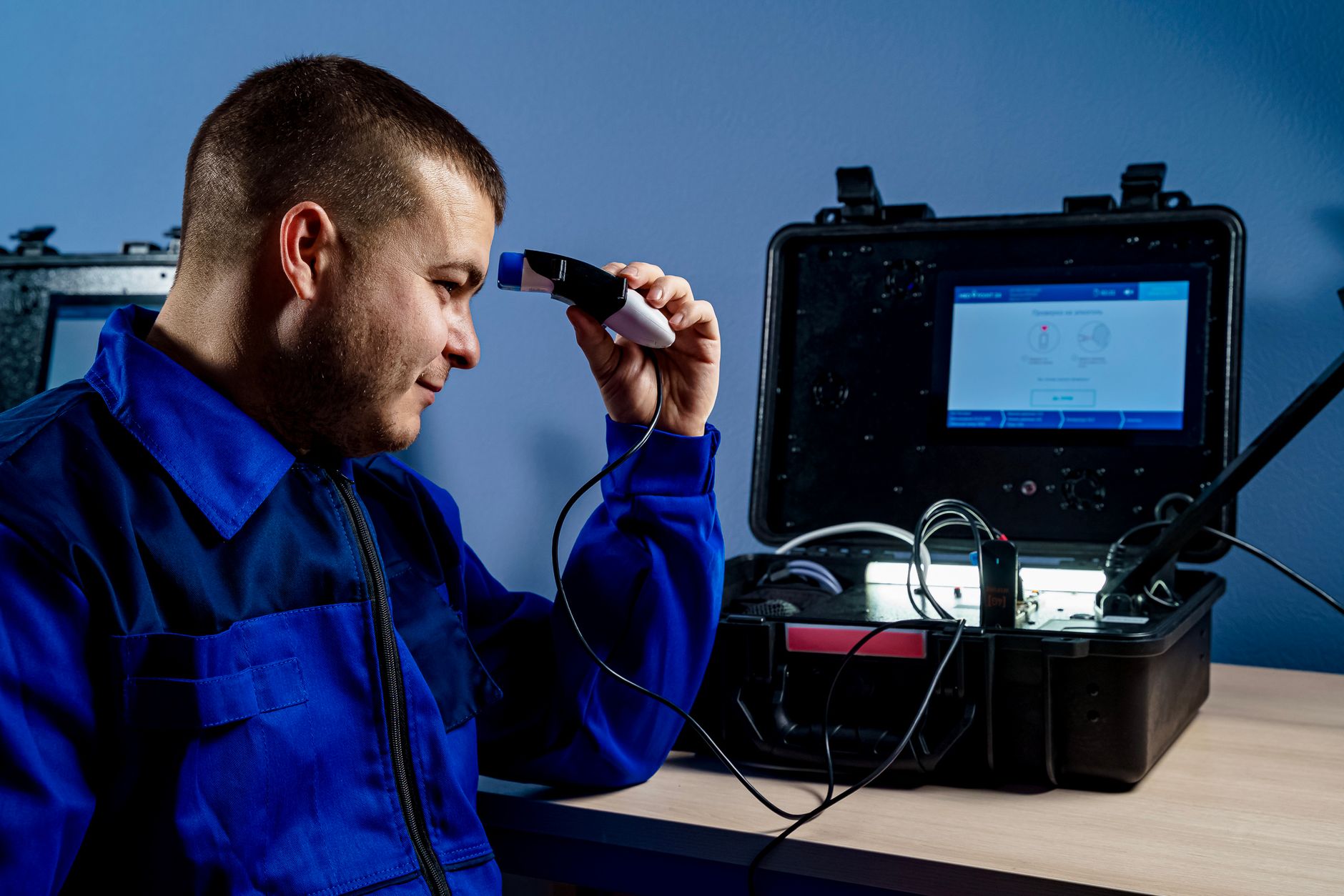
A common misconception is that manual testing is obsolete. In reality, manual testing is irreplaceable for exploratory tests, usability checks, and cases where automated scripts are too costly or complex. For example, testing how a checkout process feels to a first-time user often requires human judgment. Thus, learning manual testing first builds a strong foundation for future automation roles.
Essential Skills for QA Professionals (Beyond Coding)
While you do not need to code, certain non-technical skills are critical. Analytical thinking helps you break down complex features into testable units. Communication skills enable you to write clear bug reports and discuss issues with developers. Curiosity drives you to question assumptions and try unexpected scenarios. Time management ensures you meet deadlines and prioritize test cases effectively.
Technical skills that are not coding-heavy include understanding SQL for database testing, using test management tools like Jira or TestRail, and knowing how to track defects with clear reproduction steps. Additionally, understanding the Software Development Life Cycle (SDLC) and Agile methodologies is essential because QA works within these frameworks. Many online courses and bootcamps teach these concepts explicitly.
What is ISTQB Certification and Do You Need It?
The ISTQB (International Software Testing Qualifications Board) certification is a globally recognized standard for software testers. It validates your knowledge of testing principles, and many employers use it as a filter for hiring. QAPOT includes ISTQB preparation in its programs, which helps students meet this requirement. While not mandatory for every QA job, having the certification can significantly boost your resume, especially when competing for remote positions with international teams.
The certification has different levels: Foundation, Advanced, and Expert. The Foundation level is suitable for beginners and covers basics like test design techniques, test management, and static testing. It is a multiple-choice exam, and preparation typically takes several weeks of study. Once certified, you demonstrate a solid understanding of QA concepts, making it easier to transition into roles with higher responsibility.
How Much Can You Earn in QA? Salary Insights from LATAM
QA careers offer compelling earning potential, particularly for those who work remotely for companies outside their home country. In Latin America, entry-level QA positions commonly pay around $2,000 USD per month, and with experience and specialization, salaries can rise to $5,000 USD or more. This makes QA a lucrative career path compared to many local jobs.
Factors that influence your salary include your experience level, the industry you work in (fintech, e-commerce, gaming), and whether you specialize in areas like automation or performance testing. For instance, automation testers who use tools like Selenium or Playwright typically earn higher salaries because of the technical skill involved. However, even manual testers can reach the upper salary range if they work for high-paying markets like the US or Europe.
Remote QA Opportunities: Work from Anywhere
One of the biggest advantages of QA is the abundance of remote work opportunities. Many tech companies hire QA specialists from anywhere in the world because testing can be done asynchronously and does not require physical presence. This aligns perfectly with the preferences of workers in LATAM and Spain, who can collaborate with international teams without relocating.
Remote QA roles often require you to communicate in English, so improving your language skills can expand your opportunities. Additionally, working remotely exposes you to global quality standards and tools, accelerating your professional growth. QAPOT emphasizes preparing students for global job markets, which is why their programs include language support or resources for English for tech.
Internship and Job Hunting Tips for QA Beginners
Breaking into QA requires a strategic job search. Start by updating your LinkedIn profile with keywords like “Quality Assurance,” “Manual Testing,” and “ISTQB Certified.” Join QA communities on Slack, Discord, or Facebook groups where job postings are shared. Tailor your resume to highlight any testing projects you have done, even if they were self-initiated.
Consider applying to staffing agencies that specialize in software testing. They often have junior roles available and value soft skills over experience. Another tip is to do freelance testing on platforms like Utest or Testbirds, where you can gain paid experience and build a portfolio. These roles may not pay well, but they provide real-world evidence of your skills.
Career Growth from Manual QA to Automation and Beyond
Once you have a few years of manual testing experience, you can step up into automation. This transition does not require learning deep programming; you can start with low-code tools or by mastering a scripting language like Python or JavaScript. The shift typically increases your earning potential and job security.
Automation testers write scripts that execute repetitive tests, freeing time for more complex testing. Tools like Selenium, Cypress, and Playwright are industry standards, and learning them is a logical next step. QAPOT offers courses that guide you from manual to automation, using tools that are actually used in companies. This progression can lead to roles like QA Engineer, Automation Engineer, or Test Architect, each with higher salaries.
Conclusion
A QA career is one of the most practical pathways into technology for non-coders. With structured training, you can acquire the skills needed to earn $2,000 to $5,000 USD monthly and work remotely for global companies. The demand for QA professionals continues to grow because software quality is non-negotiable in every industry.
If you are ready to transform your career without mastering programming, consider starting with a reputable program like QAPOT, which has trained over 2,000 students in LATAM. By focusing on real-world tools, ISTQB certification, and job placement support, you can confidently enter the field and grow toward automation and leadership roles. The path is clear; the only step left is to begin.
Frequently Asked Questions
Do I need to know how to code to get a job in QA?
No, you do not need coding skills for manual testing roles, which are typical entry points. However, learning some basic programming later is beneficial for automation positions and career growth.
How long does it take to become a QA tester?
With intensive training, you can learn the fundamentals in 3-6 weeks. Gaining experience through projects or internships usually takes 3-6 months more before you are job-ready.
What is the average salary for a QA tester in Latin America?
According to QAPOT, salaries range from $2,000 to $5,000 USD per month, depending on experience and specialization. Remote roles may pay more if you work for international companies.
Is ISTQB certification worth it?
Yes, ISTQB certification enhances your resume and demonstrates a solid understanding of QA principles. It is particularly valuable for remote and international job applications.
The article above was crafted by QAPOT to help you start a QA career without coding. Our platform offers practical, employment-focused training to help you get hired faster.
Key Takeaways
- QA is an accessible tech career that does not require deep programming skills; manual testing is the standard entry point.
- With proper training, you can earn $2,000 to $5,000 USD monthly, especially in remote roles for global companies.
- Certifications like ISTQB and knowledge of industry tools boost employability, and QAPOT includes both in its curriculum.
- Career progression from manual to automation testing can increase your salary and professional growth.
- Working remotely allows you to tap into global job markets from anywhere, making QA a flexible and lucrative path.
The demand for software quality is accelerating. A QA career offers a stable, well-paid path into tech without coding barriers. Whether you are a student, a career switcher, or a professional seeking upskilling, you can leverage practical training and certifications to secure a role with real earning potential and global opportunities.


